Most UK home insurance policies restrict cover once a property has been unoccupied for 30 consecutive days. Some insurers allow 45, 60 or occasionally 90 days. After that point, cover for theft, malicious damage and escape of water is usually removed, and some policies drop to fire only protection. The exact limit sits in your policy’s unoccupancy clause, and it is worth finding before the house goes empty rather than after something goes wrong.
The Highlights
- The usual unoccupancy limit is 30 days, with some insurers allowing 45, 60 or 90.
- After the limit, theft, malicious damage and escape of water are usually excluded.
- 542,260 homes in England were recorded as empty in October 2025, up 8 per cent in a year.
- Specialist unoccupied cover runs for 3 to 12 months and comes with inspection conditions.
01 What Counts As Unoccupied
Insurers generally treat a home as unoccupied when nobody is living in it and sleeping there overnight. Calling in to collect post or water the plants does not usually reset the clock. The count normally starts on the first night the property is empty and runs until someone sleeps there again.
The most common reasons a home sits empty for more than a month:
02 What Stops Being Covered After 30 To 60 Days
Once the unoccupancy limit passes, policies typically restrict the risks most likely to happen in an empty building:
| Risk | While occupied | After the unoccupancy limit |
| Fire, lightning, explosion | Covered | Often still covered |
| Theft and attempted theft | Covered | Usually excluded |
| Malicious damage and vandalism | Covered | Usually excluded |
| Escape of water | Covered | Usually excluded |
| Accidental damage | Covered if added | Usually excluded |
Some wordings go further and cut cover to FLEEA only: fire, lightning, explosion, earthquake and aircraft. A burst pipe in an empty house under one of these policies is not covered at all.
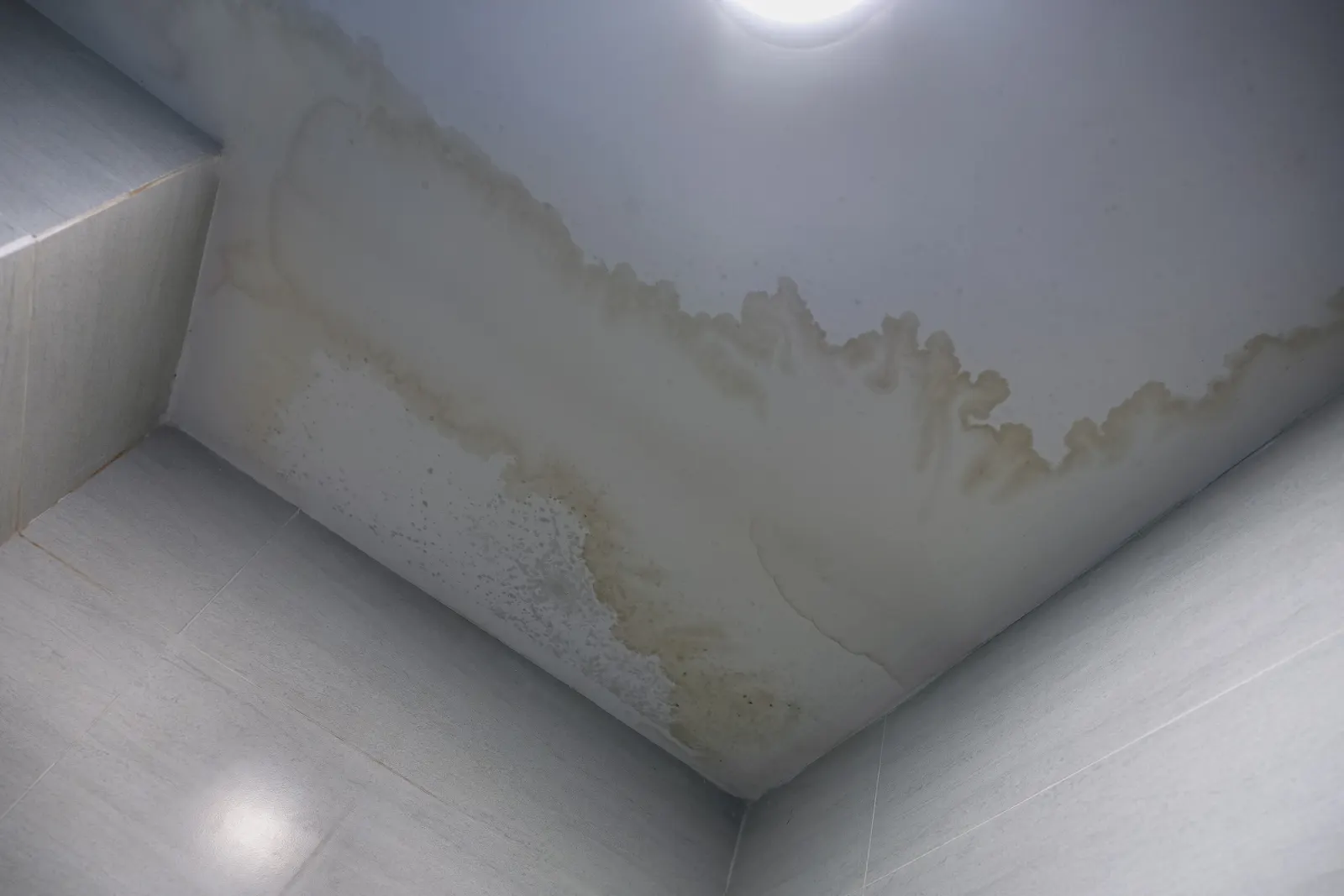
Water is the reason insurers worry. A leak in an occupied home is usually spotted within hours. In an empty home it can run for weeks. Aviva’s analysis of its home claims put the average escape of water claim at £8,595, and found that a quarter of these claims happen in the summer months, not only in winter freezes.
03 How Many Homes Are Sitting Empty
Figures from the Council Taxbase 2025 in England, Ministry of Housing, Communities and Local Government, October 2025 snapshot.
Every one of those is a property where a standard home insurance policy has probably stopped covering its biggest risks.
04 Do You Have To Tell Your Insurer
Yes. Most policies require you to tell your insurer if the home will be unoccupied beyond the limit in the wording. If you do not, the insurer may refuse a claim or cancel the policy, and that can apply even to claims that look unrelated to the empty property.
The 30 day rule is a contract term, not a law. Each insurer sets its own limit and its own definition of occupied, which is why two policies on the same street can behave completely differently when a house goes empty.
05 What Unoccupied Property Insurance Expects From You
Specialist cover is usually available for 3, 6, 9 or 12 months and can often be extended. In return, insurers commonly ask for some or all of the following:
- Regular inspections: weekly or fortnightly visits, inside and out, often with a written log.
- Water management: the system turned off and drained, or heating kept at a minimum temperature in colder months.
- Security: approved locks on all external doors and accessible windows.
- Post cleared: mail and leaflets removed so the property does not look abandoned.
- Utilities isolated: gas and electricity off, except supplies needed for alarms or heating.
- Prompt repairs: any damage found on an inspection put right without delay.
Keep evidence of every visit. Dated photos or a simple inspection diary are the quickest way to show a condition was met if you ever need to claim.
06 The Council Tax Side
An empty house can cost more in council tax as well. In England, councils can charge a premium of up to 100 per cent on top of normal council tax for homes that have been empty and substantially unfurnished for more than one year. That rule has applied since 1 April 2024; before then, the premium only started after two years. There are exceptions, including homes being actively marketed for sale or let and properties in probate, but they usually have to be applied for.
07 Questions We Are Asked Most
Does staying overnight once reset the 30 days?
Usually, yes, if someone genuinely sleeps there. Short daytime visits normally do not count. Check your policy’s definition of occupied.
Can I insure an empty house that is being renovated?
Yes. Unoccupied property insurance can be arranged for renovation projects. Tell the insurer if structural work is involved, because some works need additional cover.
What if the property has already been empty for more than 30 days?
Contact your insurer or a broker straight away. Cover can usually be arranged from that point. Do not wait until you need to claim.
Does unoccupied cover include contents?
It can. Many policies offer buildings only with contents as an option, so say what is still in the house when you ask for a quote.
08 Arranging Cover With Nova Insurance
We arrange unoccupied property insurance for homes left empty during probate, renovation, sale or between tenancies. If you are an executor dealing with an inherited home, our guide to insuring a property during probate walks through each step.
The Short Version
- Most home insurance restricts cover after 30 days empty, though some insurers allow 45, 60 or 90.
- Theft, malicious damage and escape of water are the first things to go, and some policies drop to fire only.
- You must tell your insurer, or a claim may be refused even if it looks unrelated.
- Specialist unoccupied cover runs for 3 to 12 months and expects regular inspections.
- Homes empty for over a year can also attract a council tax premium of up to 100 per cent.
Cover for the months the house stands empty
Speak to a broker who places unoccupied homes every week and knows which insurers will cover probate, renovation and properties waiting to sell.
Nova Insurance has been proudly serving clients across the UK since 1995. This article is general information and not legal or regulatory advice. Cover varies between insurers, so always read the policy wording and speak to your broker about your own circumstances. Sources: MHCLG Council Taxbase 2025; Aviva, July 2026; Allianz; Confused.com; Chelmsford City Council.